LANGLEYMOLD REMEDIATION
Call (604) 373-7603
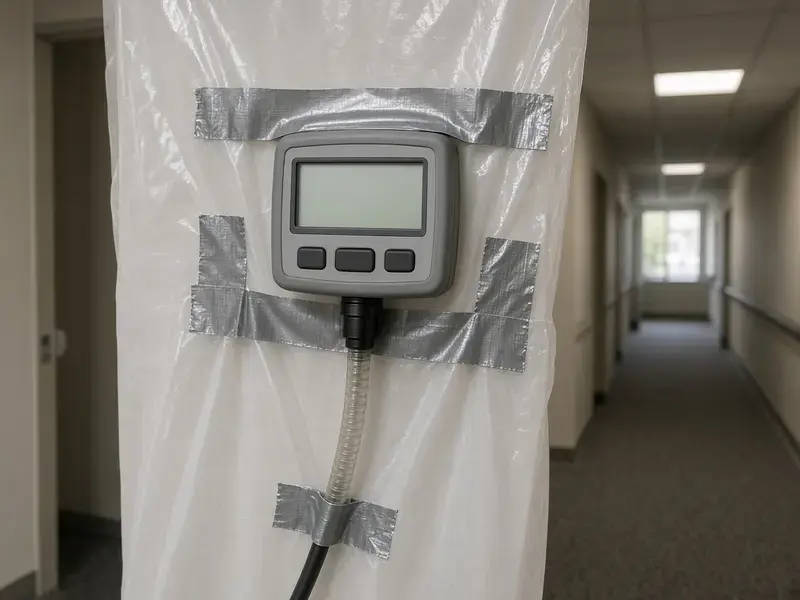
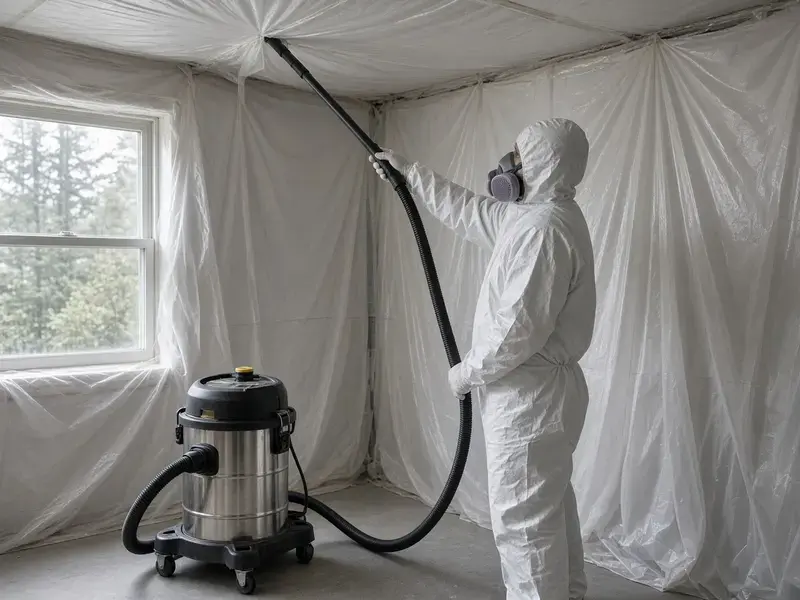
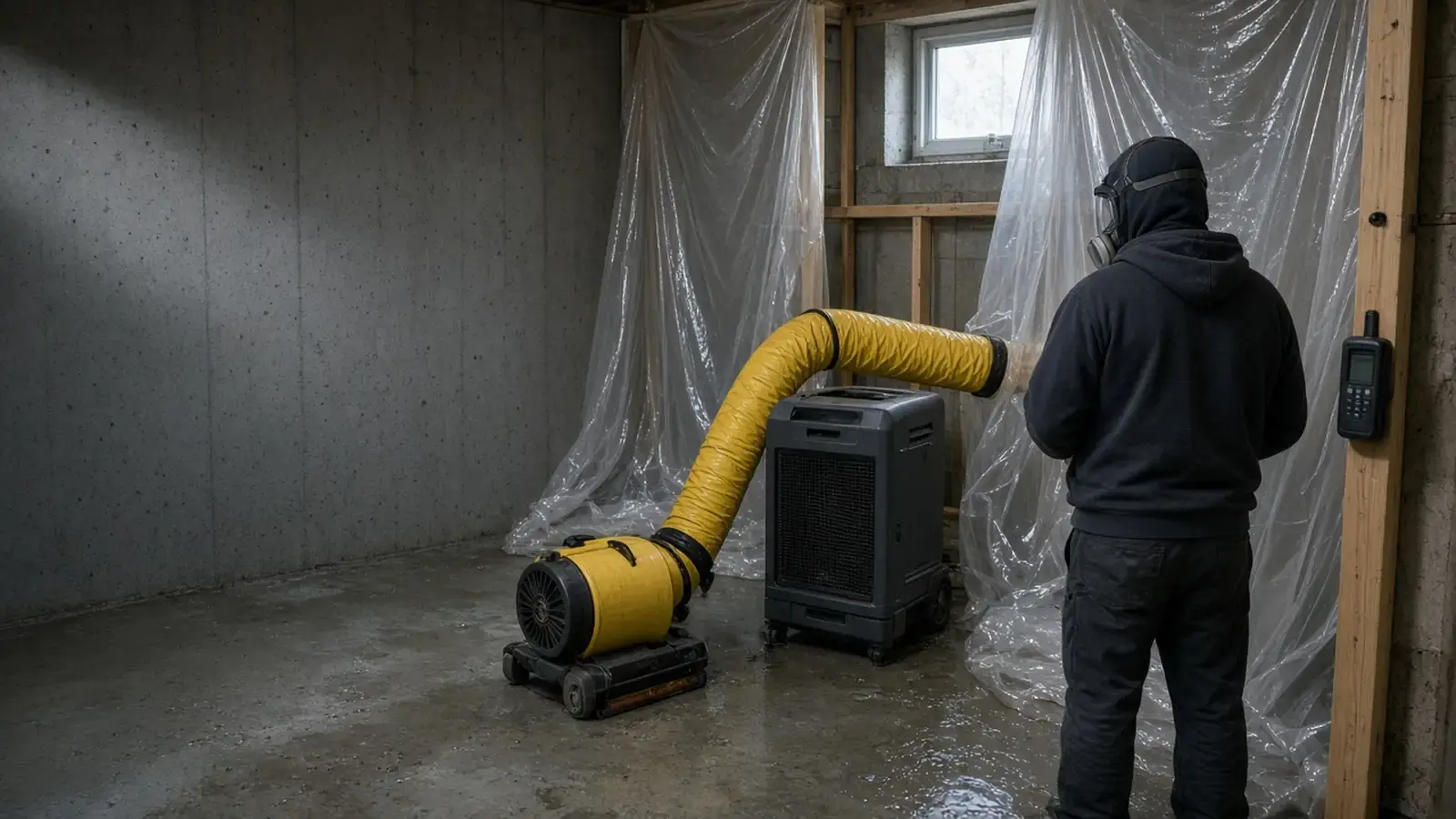
HEPA air scrubber and containment sheeting in a Langley BC basement

LANGLEY, BC · 24/7

Professional Mold Removal & Remediation in Langley and Metro Vancouver.

Mold remediation, mold removal, water damage restoration, basement floods, and asbestos testing for Langley and Fraser Valley homes. We identify the moisture source, contain it properly, and remove only what's actually affected.

How Mold Removal Works in Langley

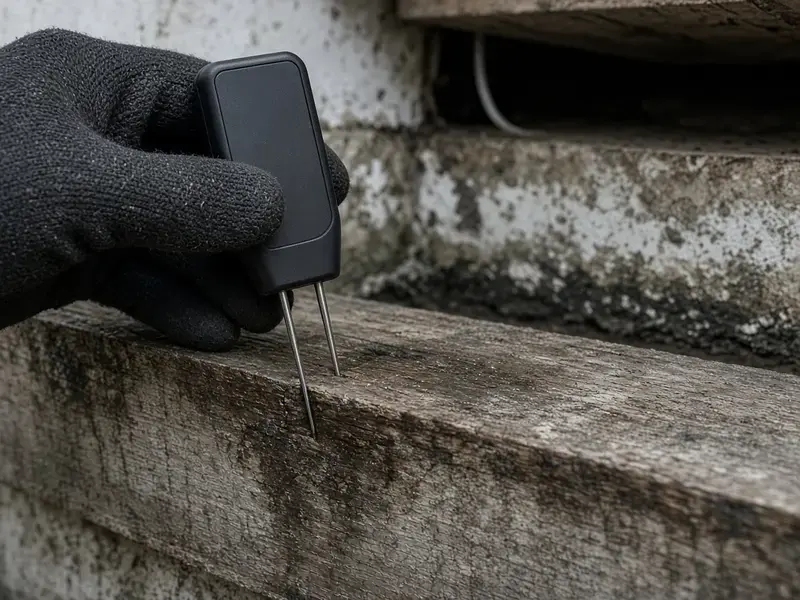
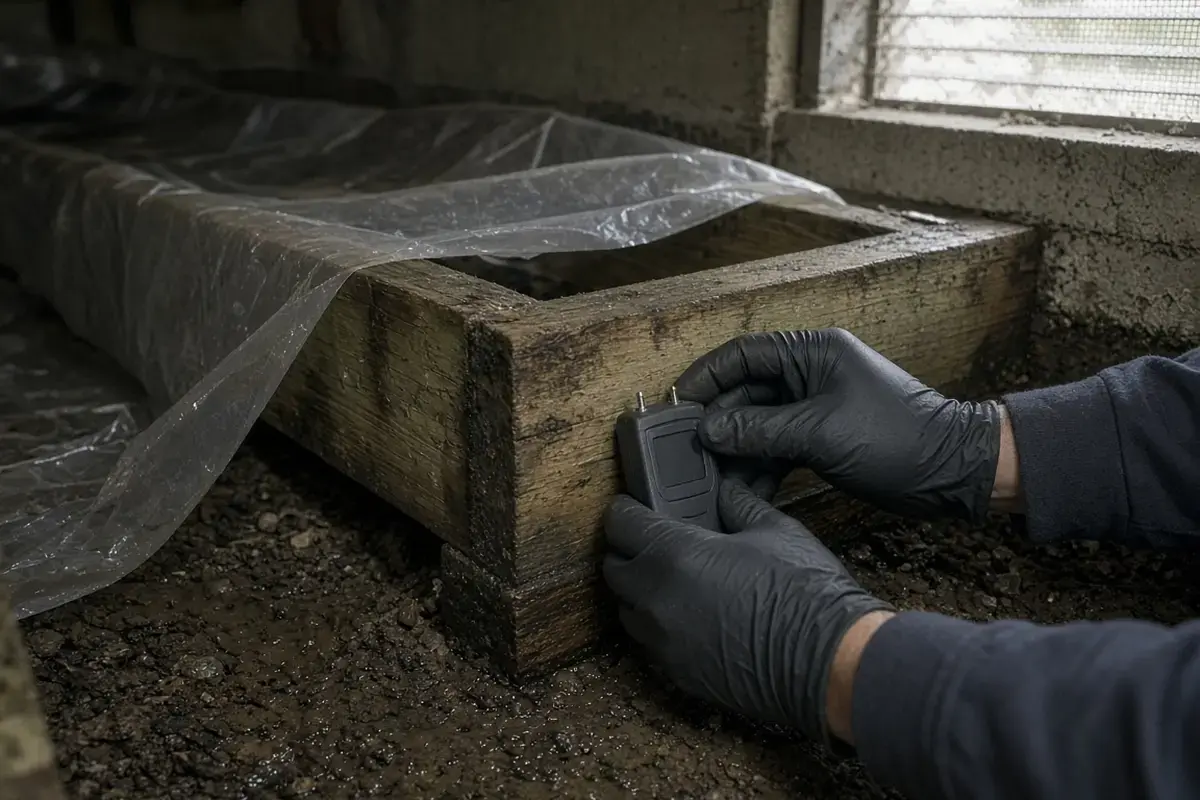
Every mold removal job in Langley starts with moisture readings, not assumptions. We use a pin meter and thermal scan to map exactly which bays are wet, so only the affected material comes out. Containment goes up before the first cut.

  • Moisture mapping first

    We confirm wet framing before any drywall comes off. Dry bays stay closed.

  • HEPA filtration on every cut

    A HEPA vacuum runs at the saw on every cut, capturing spores before they can spread through the rest of your home.

  • Moisture source identified

    Whether it's a bathroom fan, failing grade, or slow valve — we find and name the cause. Cleaning mold without fixing the source just means it comes back.

  • Written documentation

    Moisture readings and photos for your insurer, strata, or landlord. No guesswork.

Call (604) 373-7603
Pin moisture meter on a damp rim joist in a Langley crawl space

Mold Removal & Remediation Services in Langley, BC

From black mold removal and basement flood cleanup to asbestos testing and commercial remediation — we cover the full range of mold and water damage work in Langley and the Fraser Valley.

Call (604) 373-7603

Mold Remediation Across the Fraser Valley

Based in Langley, we provide mold removal and water damage restoration across the Fraser Valley. We regularly serve Surrey, Abbotsford and Coquitlam, along with all surrounding communities. See the full list of towns we cover below.

View all service areas

Call (604) 373-7603

Common Questions About Mold Removal in Langley

Is mold removal the same thing as mold remediation in Langley?

People search both. Removal is the tear-out and HEPA clean of colonized material. Remediation is the full protocol around it: containment, negative air, drying, and a clearance sample. Most wet walls need both.

Do you come out at night for a flood or a sudden mold smell?

Yes. The line is answered day and night. A burst supply line or a sump that quit does not wait for morning, and neither do we.

Can I just spray bleach on bathroom mold?

Bleach sits on the paint. It does not dry the cavity, and it does not fix a fan that vents into the attic. If the drywall is soft, the colony is behind it.

Will my insurer pay for mold after a leak?

Many policies pay for sudden water and the dry-out, then argue about mold that grew because the drying was late. We write moisture logs and photos. Coverage itself is between you and the insurer.

How do you tell black mold from ordinary dirt?

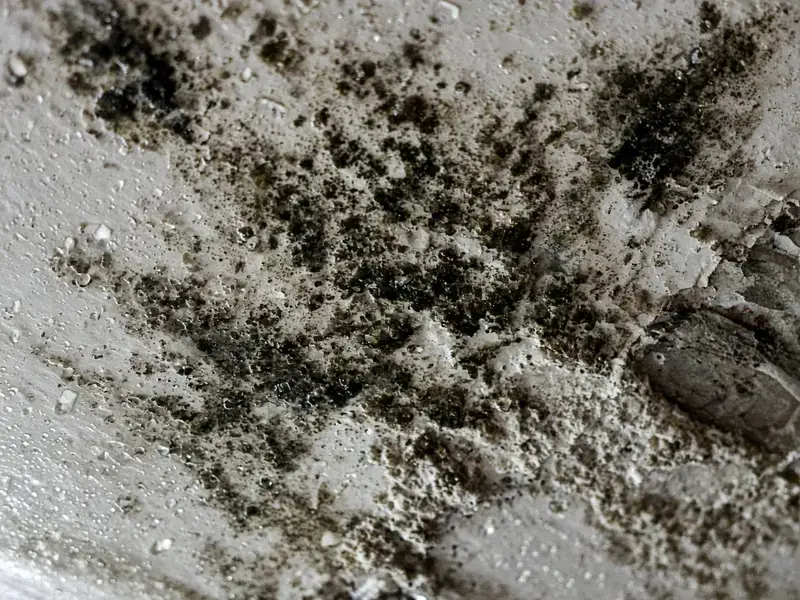
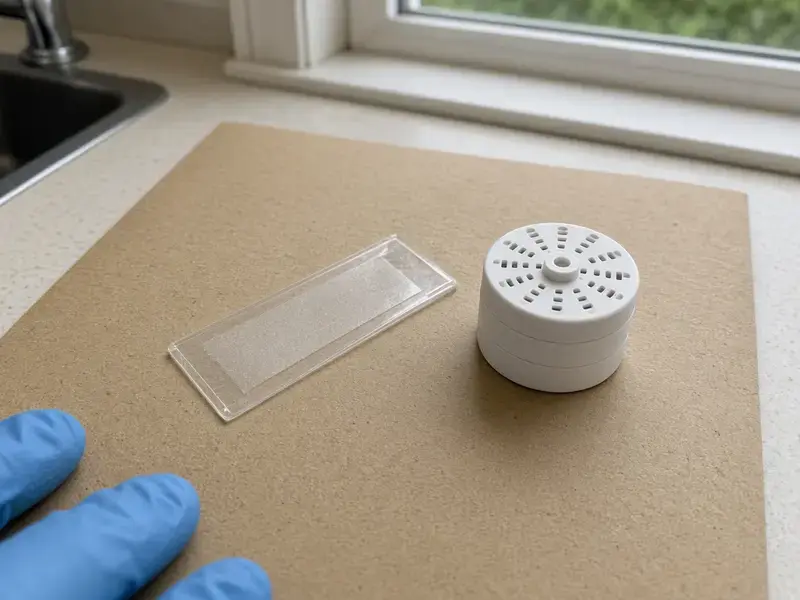
Stachybotrys is usually slimy, dark, and stuck to paper or ceiling board that has been wet for a long time. A tape lift or air sample names the genus. Colour alone is a weak clue.

Do you test before you cut?

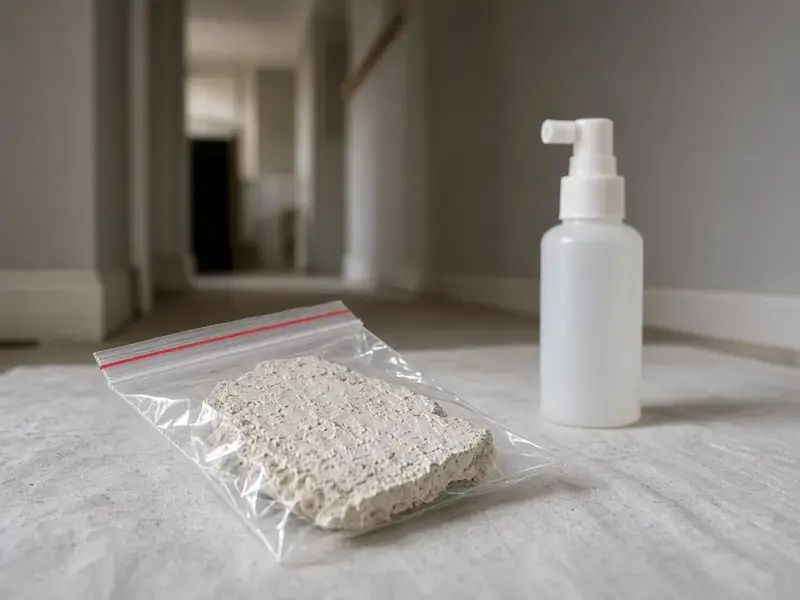
If the goal is a lab number, we sample first. If the drywall is already mush, mapping the moisture and opening the wet bays tells you more than a single cassette in the hallway.

What if the ceiling texture has asbestos?

A lot of Langley houses built before 1990 do. We bulk-sample before anyone scrapes popcorn, tile, or drywall mud. If it comes back positive, removal follows WorkSafeBC rules.

Do you work outside Langley?

Yes. Surrey, Abbotsford, and Coquitlam are regular drives, and we cover the other Fraser Valley towns listed on the Areas page.

How long does a drying job take?

It depends on how wet the framing is and how cold the room stays. We track grain depression and moisture content. We do not promise a calendar day.

What is a clearance sample?

An air cassette collected after the containment comes down, compared with an outdoor or unaffected room sample. The lab counts spores by genus. That is the record that the work is finished.

Call (604) 373-7603

Mold & Water Damage Jobs We Handle in Langley

Basement Flood & Water Damage Cleanup

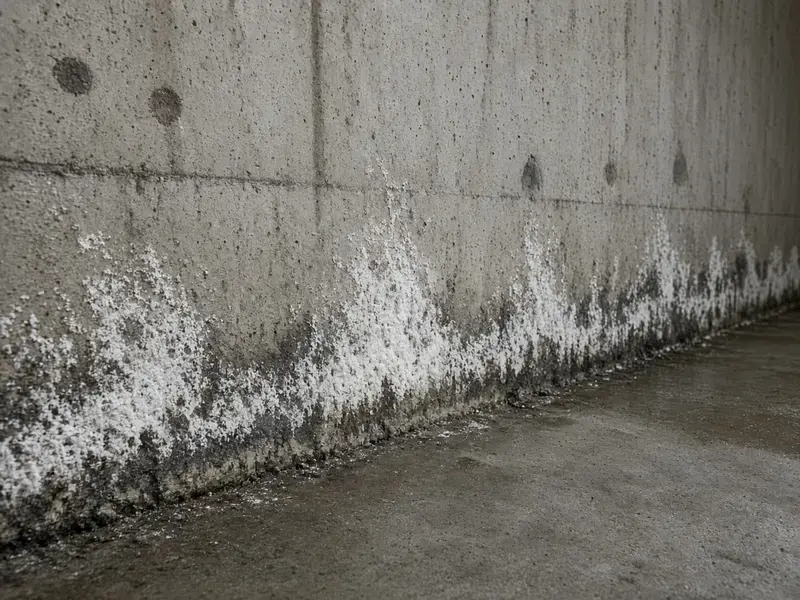
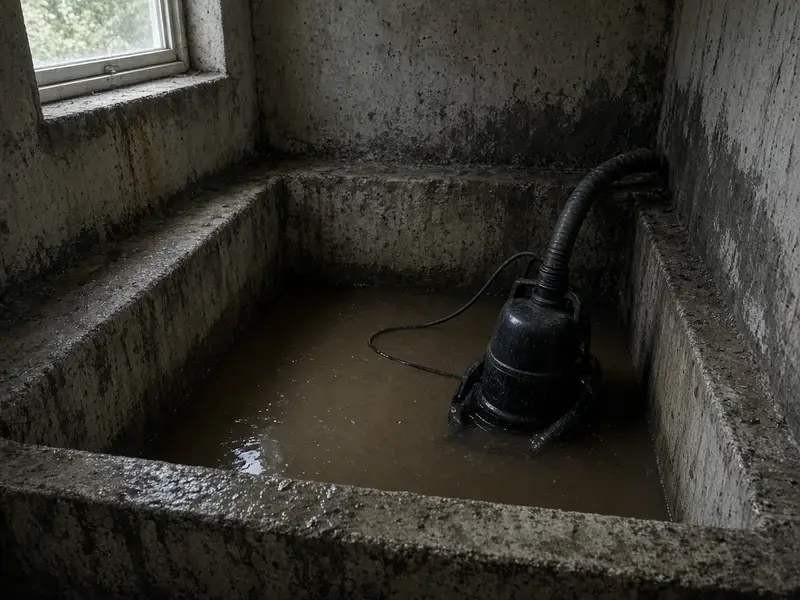
When a sump fails or a supply line lets go, the drywall wicks fast. We extract standing water, cut wet framing back to dry studs, HEPA-clean the cavity, and run LGR dehumidifiers until the readings confirm the structure is dry. Every job gets a moisture log your insurer can read.

Attic Mold from a Poorly Vented Bathroom Fan

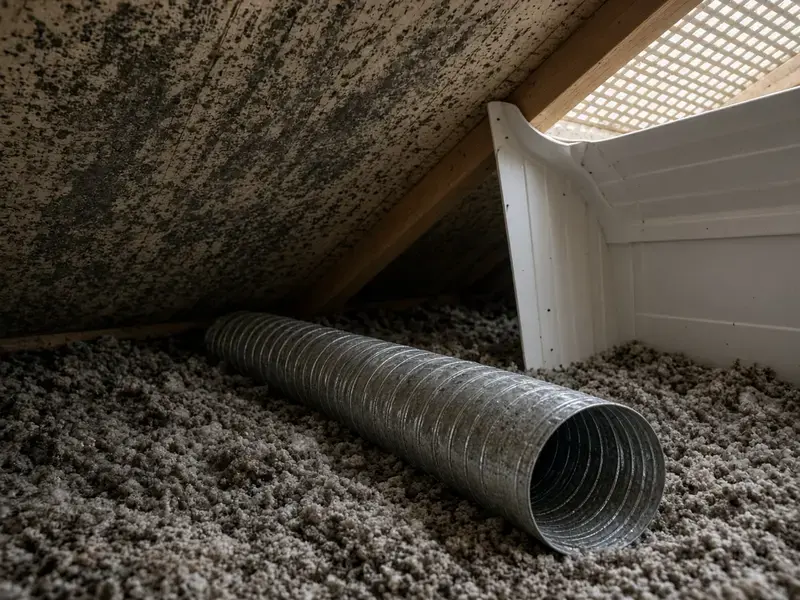
A bathroom fan venting into the attic rather than outside is one of the most common sources of attic mold in Langley. Moisture loads the roof sheathing all winter. We reroute the duct, HEPA-clean sound OSB, and replace sheathing that has gone soft. The fan gets fixed before any remediation makes sense.

Crawl Space Mold Removal in Fraser Valley Homes

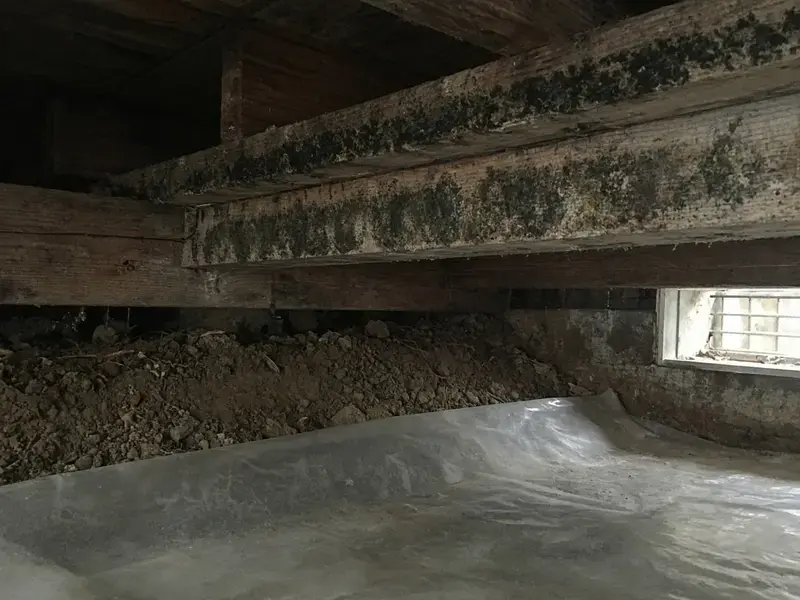
Cold, damp crawl spaces under Langley homes are a perfect environment for mold on rim joists and sill plates. We clean the affected wood, lay a proper poly vapour barrier across the ground, and address any ventilation issues. Mold grows back if the moisture source isn't corrected.

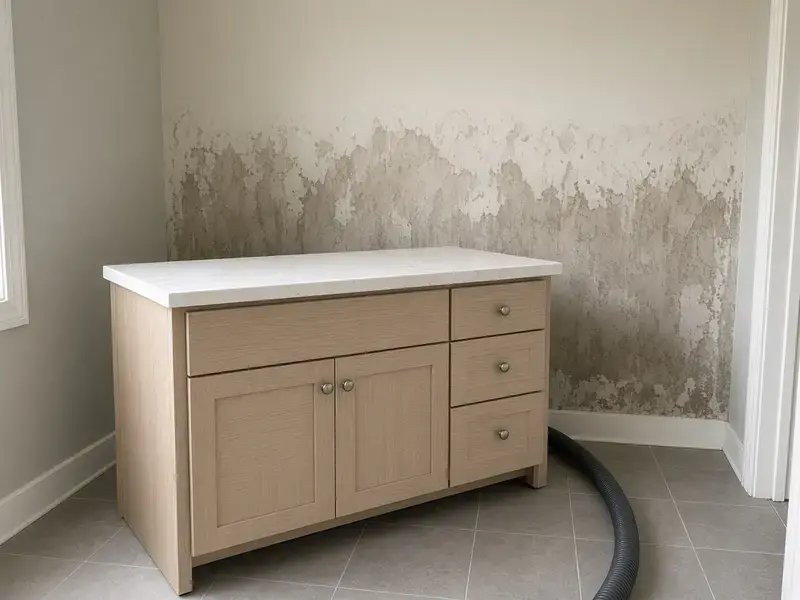
Bathroom Mold Behind Walls & Vanities

Slow traps, sweating supply lines, and inadequate exhaust fans create hidden mold colonies behind bathroom walls and under vanities. We trace the exhaust duct to confirm it actually exits outdoors, remove affected drywall, and treat the framing before it's closed back up.

Mold in Walls from Window & Roof Leaks

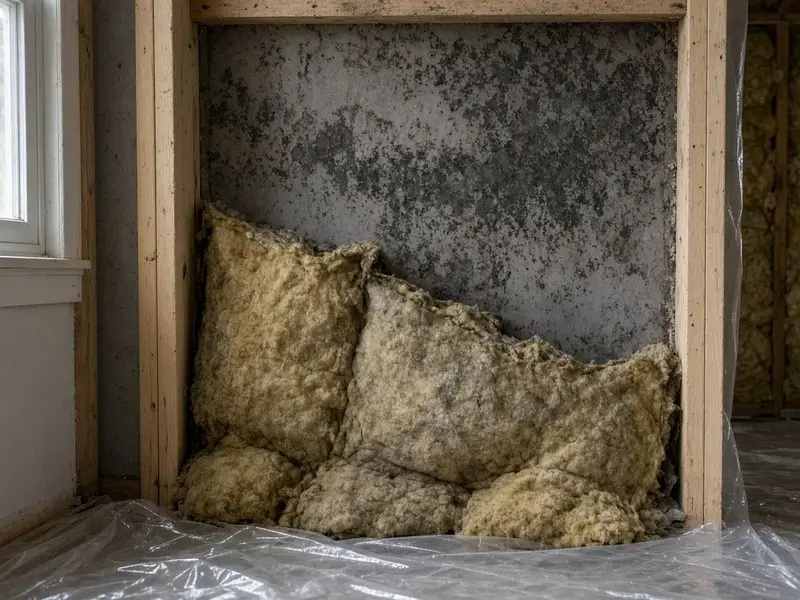
Failed window sills and roof flashing direct water into wall cavities, feeding mold colonies unseen for months. We use a borescope to confirm which bays are affected before opening walls, so you're not paying to replace dry drywall. Stained but structurally sound sheathing gets cleaned; soft sheathing gets replaced.

Black Mold Removal in Langley Homes

Stachybotrys — what most people call black mold — grows on paper-faced drywall and wood that has been wet for a long time. We contain the area with poly and negative air, remove colonized material, and collect a clearance air sample after the containment comes down to confirm the work is complete.

Asbestos Testing Before Any Mold Removal Cut

Langley homes built before 1990 often have asbestos in popcorn ceilings, floor tiles, and drywall compound. We bulk-sample before any scraping or cutting. If the sample comes back positive, the scope shifts to WorkSafeBC-compliant asbestos removal before the mold crew proceeds.

Mold Remediation in Strata Units & Commercial Spaces

Mold in a strata locker, retail unit, or office suite needs to be contained so adjacent spaces aren't affected. We set containment barriers, run negative air through the work area, and coordinate waste removal to avoid common areas. Strata councils receive a written summary for their records.

Basement Sewage Backup & Category 3 Cleanup

A surcharging floor drain brings contaminated water into contact with everything porous. Affected material — carpet, drywall, insulation, wood — is removed. The slab and framing are cleaned and dried before any reconstruction starts. Category 3 water is not a mop-and-fan job.
Equipment, Standards & WorkSafeBC Compliance

Mold remediation in Langley follows the IICRC S520 standard, and water damage work follows IICRC S500. These aren't just industry terms — they define the difference between Condition 2 (settled spores on surfaces) and Condition 3 (active mold growth), and they determine what containment level and clearance testing your job actually needs. Insurance adjusters in BC know these references. Work that follows the standard holds up to scrutiny; work that doesn't often leads to a second crew and a second invoice.

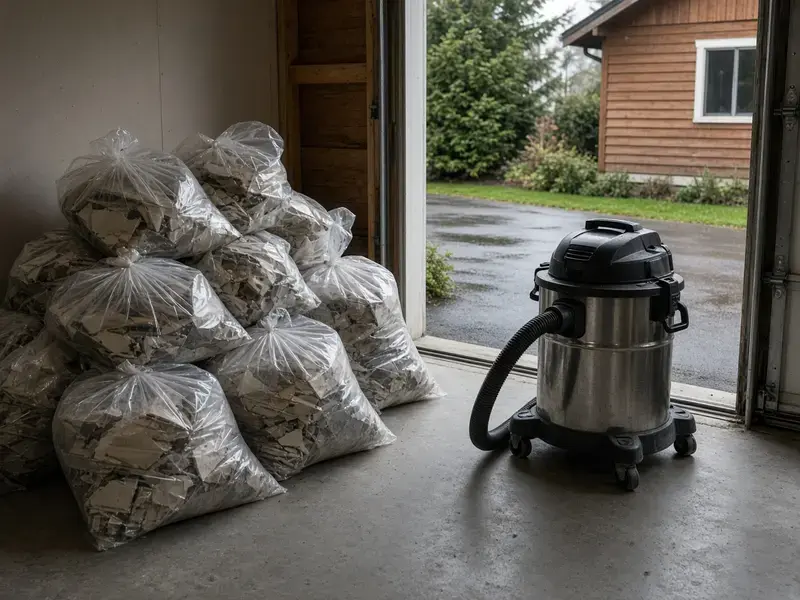
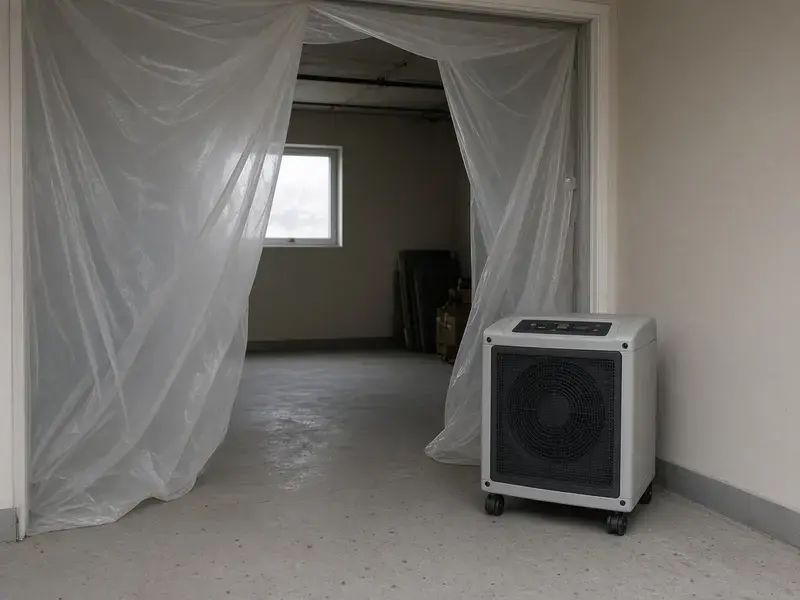
Containment means poly sheeting taped to the ceiling and floor, sealed at penetrations, with a zipper entry when people need to pass through. The work area is held under negative pressure relative to the clean side of the house — a small differential you can read on a manometer, not a feeling. A HEPA air scrubber pulls air through a 99.97% efficient filter before exhausting it. That filter is not a shop vac filter with a HEPA sticker. All mold-contaminated drywall leaves the building in sealed poly bags.

Structural drying uses LGR (low-grain refrigerant) dehumidifiers paired with air movers positioned to move air across wet assemblies. LGR machines keep removing moisture at low humidity levels where conventional dehumidifiers stall — which matters in a Langley winter when the air outside is already saturated. We log temperature, relative humidity, and grain depression daily so the drying curve is visible. Pin meters confirm wood moisture content; non-invasive meters map the boundary of the wet zone and are never used as a substitute for a real reading.

For homes built before 1990, WorkSafeBC regulations require bulk asbestos sampling before any material that may contain it is disturbed — including drywall compound, floor tile mastic, ceiling texture, and pipe insulation. A positive result determines the risk classification, which then dictates wet methods, PPE, containment, and whether a Notice of Project must be filed with WorkSafeBC before work begins. This applies to mold jobs where the saw will hit old texture. Skipping the sample to save time is how a mold crew accidentally turns a one-day job into a regulated asbestos incident.

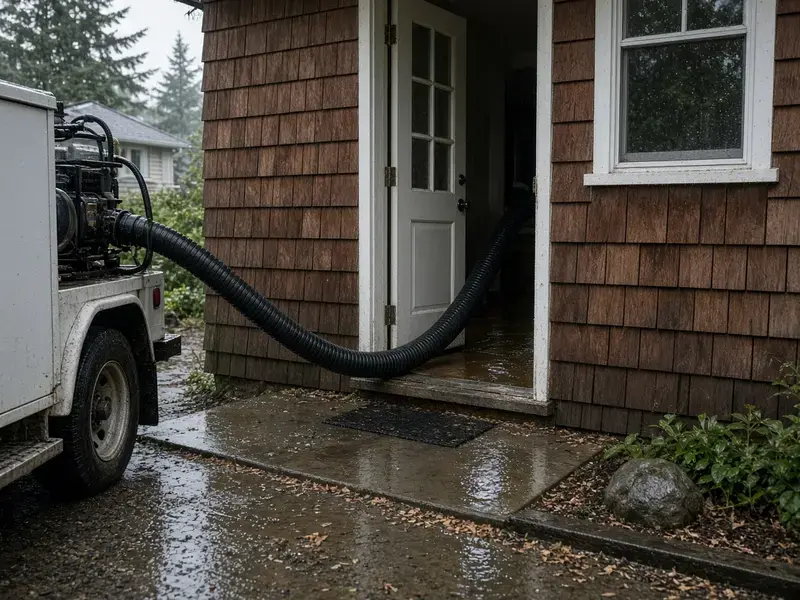
Rain-soaked cedar house on a Langley BC residential street

Call Langley's Preferred Mold Removal & Remediation Crew

Tell us the room, how long it has smelled, and whether the material is still damp. We'll take it from there.