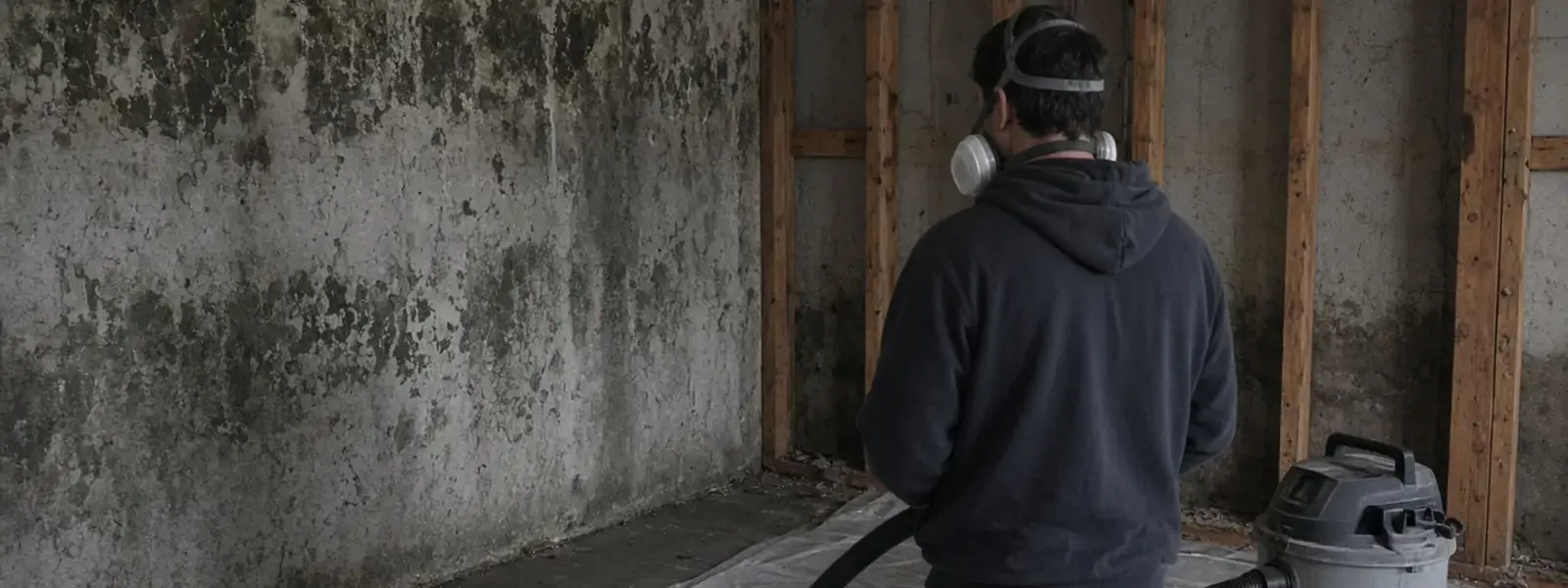
Basement mold removal in Langley is usually a groundwater and temperature problem wearing a mold costume. The slab is cold, the walls are partly soil, and carpet on concrete stays damp from October to April.
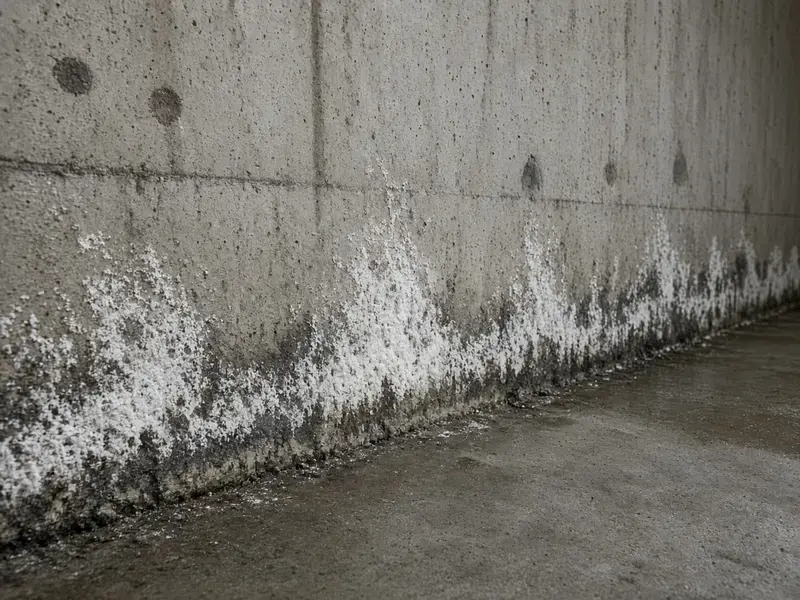
The growth shows up on the bottom of studs, on tack strip, and on the back of baseboard. Sometimes the concrete itself shows a white crust of efflorescence with a dark line above it. Langley Mold Remediation Services treats the bottom metre of the wall as the suspect until the meter says otherwise.
A finished suite makes this fiddly. People sleep down there. We contain the bay, keep the suite usable when we can, and we do not fog the bedroom and call it a day.
What the visit includes
- Moisture map of plates, studs, and the slab edge.
- Check of the sump, the perimeter drain clues, and obvious grade against the foundation.
- Removal of wet carpet, pad, and tack strip in the affected run.
- Demo of drywall up to the dry line, often higher than the stain.
- HEPA clean of the stud bay and the concrete curb.
- Drying of framing before any talk of new board or new flooring.
- Notes on whether a dehumidifier has to stay as a living condition, not a one-week prop.
- Photos for a landlord or an insurer.
When Langley houses need this
Carpet that smells only at the edges
The field of the room can be fine while the tack strip is colonized. We lift the edge, meter the plate, and follow the wet run instead of ripping the whole floor on a hunch.
Efflorescence and a musty suite
White mineral on concrete means water moved through the wall and evaporated. Mold likes the drywall just above that line. Both get documented.
After a sump quit
Standing water is a flood cleanup first. Mold removal starts once the water is gone and we can see which paper got wet and stayed wet.
A cold room that never had a leak
No pipe failed. The suite is just under-heated and the closet is on the north foundation. That is condensation. The removal is smaller, and the heating and humidity advice matters more.
The sequence on site
1. Separate flood from damp
Standing water or a sump failure is extraction first. A chronically clammy wall is a mold and humidity job. Mixing them up is how fans get set on a lake.
2. Expose the plate
Baseboard off, carpet edge up, meter on the plate. The plate tells the truth the paint will not.
3. Cut to dry wood
We open until pin readings on the studs drop to a normal range for that house. Leaving a wet plate behind a new vapour barrier traps the next colony.
4. Dry before rebuild
Air movers and a dehumidifier on the opened bays. Concrete takes longer than wood. We do not schedule paint against a wet curb.
5. Say what the building still needs
If the grade slopes in, or the sump has no backup, mold removal will not hold through next November. We write that in plain words.
Why crews call this a basement mold removal job
Bottom-up, not whole-room gut
Basement mold is often a band. We cut the band. Full-height demo happens when the meter, not the sales pitch, says so.
Carpet is evidence
We do not steam a colonized pad and lay it back. Wet pad leaves. Dry, clean carpet can sometimes stay if the edge was the only problem.
Suites stay in the plan
Containment and a work path that does not dump debris in a bedroom. If the tenant has to leave for a day, we say that before we start.
Efflorescence is not mold
We name the white crust correctly. It still means water, and the drywall above it may be the actual colony.
The building science under the stain
Concrete wicks water. A Langley slab with a high water table can sit cooler than the room air all winter. Any paper or wood touching that slab becomes a condenser and then a food source. That is why tack strip and the paper face of the bottom drywall fail first, even in houses with no plumbing leak.
Polyethylene on the inside of a basement wall is a double-edged detail. It can keep indoor vapour out of a cold bay, and it can also trap water that came through the concrete. During removal we note what is behind the board. Rebuilding with the same trapped sandwich is how the smell returns in a year.
Relative humidity in a closed suite often needs a dehumidifier through the wet season, not because the remediation failed, but because the soil is still there. We will say if that is a living condition. We will not pretend a three-day dry-out changes the Fraser Valley water table.
Radon and mold get mentioned in the same breath on older basements. We are not a radon contractor. If we see a sump that is open to the soil and a suite with no fresh air, we mention ventilation as a building issue and stay in our lane on the colony and the moisture.
Fraser Valley coverage
Basement Mold Removal provides coverage for Langley and extends through the Fraser Valley. The full town list is on the Areas page.
Questions on basement mold removal
Can I keep the basement carpet?
If only the edge was wet and the pad is dry and clean, sometimes. If the pad is stained or smells, it goes. We decide after it is lifted, not from a photo of the top.
Why does it come back every fall?
The water source is seasonal. Grade, humidity, or a cold wall. Removal clears this colony. The fall will repeat the wetting unless that condition changes.
Do you remove mold from concrete?
Surface growth on concrete can be cleaned. The mineral crust is efflorescence, which we do not 'kill.' The organic material touching the concrete is what usually has to leave.
Is a basement suite safe to sleep in during the work?
If the work is contained and the bedroom is outside the barrier, often yes. If we are drying the only sleeping room, we will tell you to plan a night elsewhere.
Should I run a dehumidifier all year?
Many Langley basements need one in the wet months. We will say so when the readings support it. We do not sell you a machine as a substitute for fixing grade or a dead sump.
If the suite smells when the heat is off, call Langley Mold Remediation Services. Tell us whether there was a flood or just a slow mustiness. Those are different basements.