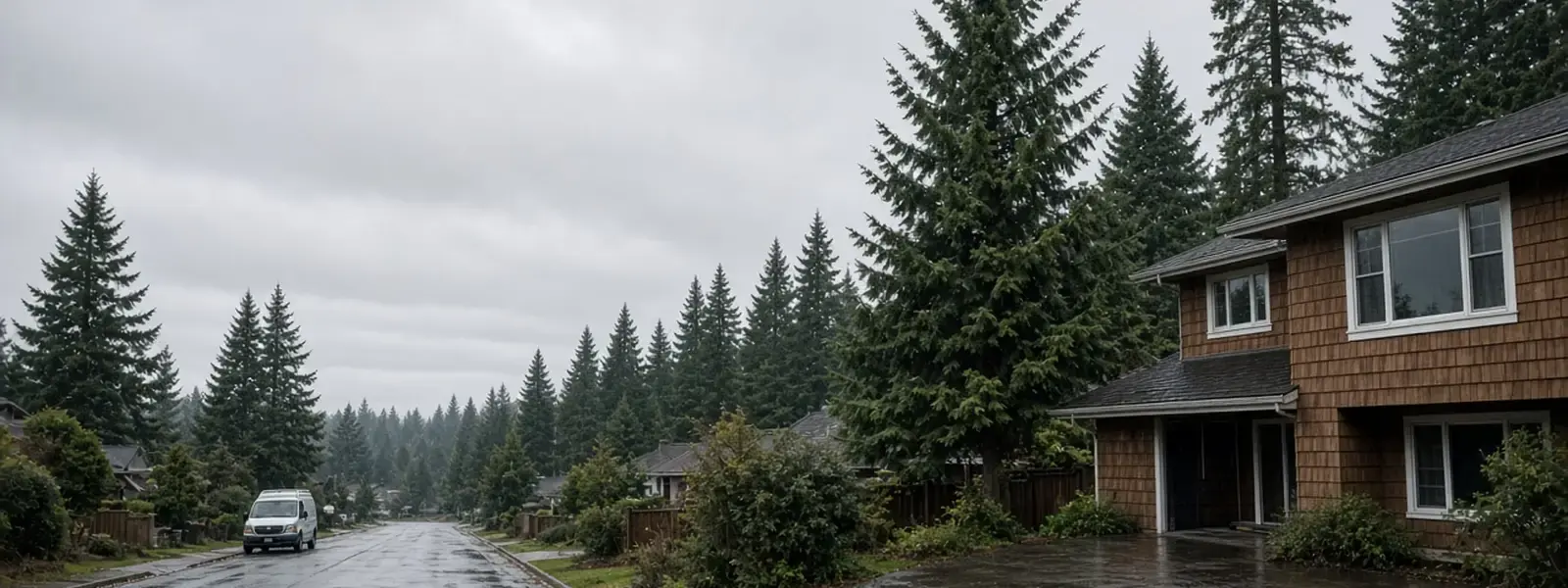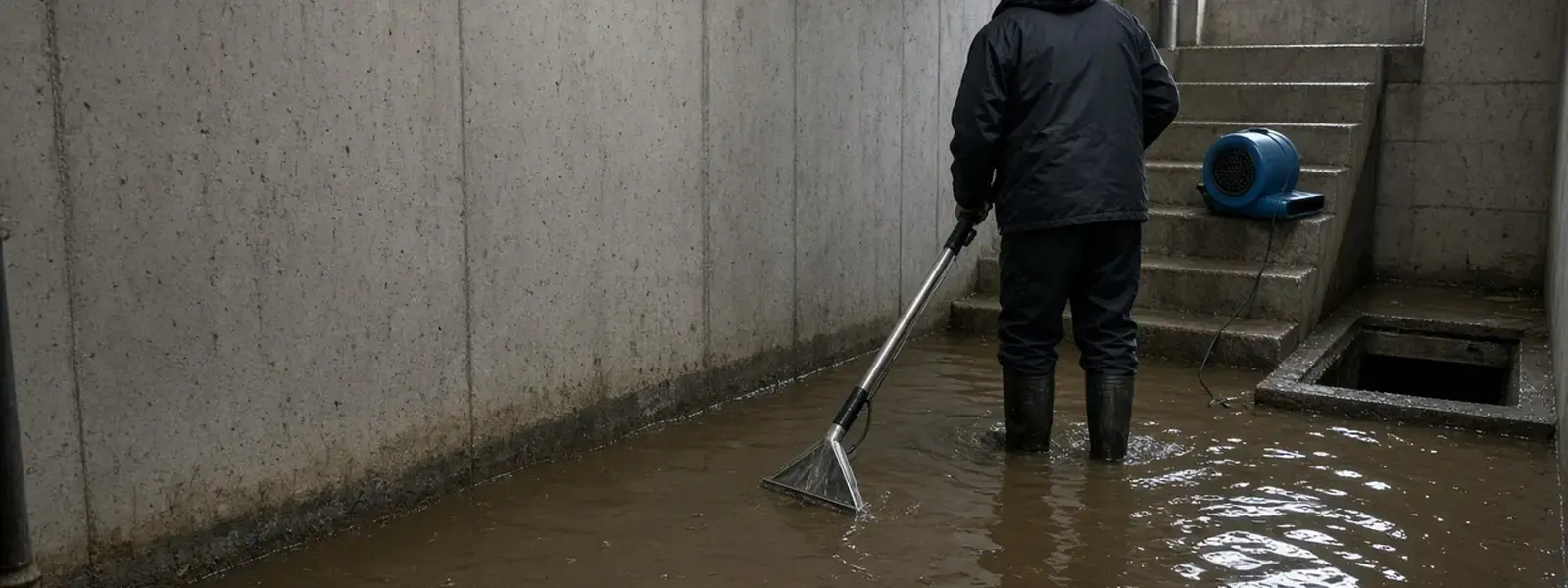
Basement flood cleanup in Langley is the job after the sump quits, the drain backs up, or groundwater comes through the cove joint. The Fraser Valley does this every wet season. Some years it does it all at once.
Brown water on a slab is not a mop job if it touched carpet, drywall, and the bottom of the furnace. Langley Mold Remediation Services gets the water out, strips what will not clean, and dries the shell before mold becomes the second project.
Tell us if it was clean groundwater, a storm drain, or a sewer. That sentence changes what we throw away. We would rather hear it on the phone than discover it with the pad in our hands.
What the visit includes
- Pump-out and extraction of standing water.
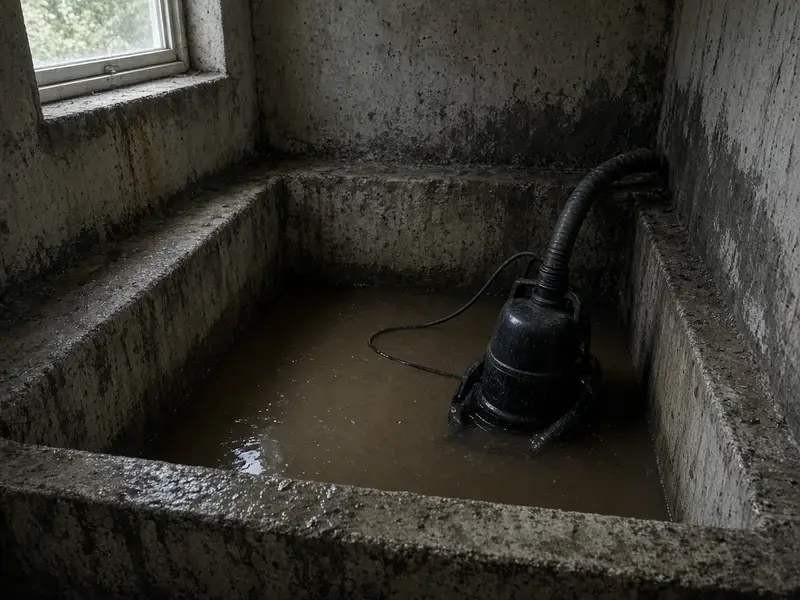
- A look at the sump, the check valve, and whether the water is still rising.
- Tear-out of wet pad, tack, and the bottom of drywall when the water line says so.
- Cleaning of hard surfaces that can actually be cleaned.
- Equipment for the drying phase once the slab is exposed.
- Photos of the water line. Adjusters ask for that line.
- Separation of contents onto blocks or out of the wet zone.
- A handoff note if an electrician or a plumber has to see the mechanicals.
When Langley houses need this
The sump could not keep up
A failed pump or a power cut during a rain week. Water enters at the cove and the floor drain. Cleanup starts with 'is it still coming in.'
A backup at the floor drain
This may be category 3. Porous materials that touched it leave. We do not rinse a sewer event and lay the carpet back.
Groundwater at the cove joint
Common in low Langley lots and in neighbours like Pitt Meadows. The water is a film that becomes a room. Drywall wicks above the visible line.
The suite tenant woke up to a wet floor
Contents and sleeping space matter. We move what we can, document the line, and keep debris out of the stairwell.
The sequence on site
1. Is the water still arriving
If the sump is overwhelmed or the drain is surcharging, pumping the room without a plan just makes a river. We say if you need a plumber or a pump before restoration can hold.
2. Extract to the slab
Carpet up if it is holding water. Pad out. The slab has to be visible to dry.
3. Cut the wicking line
Drywall comes off above the wet mark, because paper pulls water higher than the stain. The meter sets the cut, not the colour alone.
4. Clean what is hard
Concrete and studs that stayed sound get cleaned. Sewage-affected porous goods leave in bags.
5. Dry and watch the return
Dehumidifiers and air movers, then readings. If the cove starts weeping again the next rain, the dry-out is not finished and the drainage is the real project.
Why crews call this a basement flood cleanup job
Water line photos on day one
Memory is a bad witness. We photograph the line before demo erases it.
Sewer is called sewer
A floor-drain backup is not 'just muddy.' The tear-out matches the category.
We do not promise the sump will behave
Cleanup removes this water. A pump, a backup battery, or a drain repair is what keeps the next storm out. We name that without pretending to be the pump installer by default.
Suites and furnaces get respect
A soaked furnace is an HVAC question. We will not run a flooded appliance to hurry the fans.
The building science under the stain
Cove joint leakage is water under hydrostatic pressure finding the seam between the wall and the slab. In Langley and the low farmland towns around it, a multi-day rain can lift the local water table enough to do this in houses that are fine in August. Mold follows if the bottom of the wall stays wet. Flood cleanup is the interruption.
Drywall wicks. A water line at 5 centimetres on the concrete can be 30 centimetres up the paper the next day. Cutting only the stained paint leaves a wet sheet in the wall. We meter and cut higher than people expect, and we explain why before the saw starts.
Category 1 is clean supply water. Category 3 includes sewage and floodwater that has mixed with soil. The IICRC S500 tear-out for category 3 is aggressive about porous materials because you cannot see contamination. We follow that distinction even when the water 'looks clear.'
Drying a slab is slower than drying a puddle. Concrete holds water and releases it into the room for days. Pulling equipment the morning the floor looks dry is how a musty smell starts on day six. The log stays until the readings, not the shine, say stop.
Fraser Valley coverage
Basement Flood Cleanup provides coverage for Langley and extends through the Fraser Valley. The full town list is on the Areas page.
Questions on basement flood cleanup
Do you clean up basement flooding at night?
Yes. The phone is answered day and night. If water is standing, say so. We do not publish a response-time promise.
Can you save the laminate?
Most laminate swells and does not go back. We will tell you once it is lifted. Hoping is not a drying method.
What if the water comes back tomorrow?
Then drainage or the sump is the issue, and drying alone will not hold. We will stop and say that rather than run fans in a filling room.
Is floodwater a mold job?
It becomes one if materials stay wet. Cleanup and drying are how you stay ahead of that. If growth is already there, the scope includes removal.
Should I pull the carpet myself?
If it is a sewer backup, leave it. If it is clean groundwater and you can do it safely, lifting it helps. Do not energize wet equipment. Call us either way so the water line gets documented.
Standing water in a Langley basement is a call to Langley Mold Remediation Services, not a shop-vac experiment that runs until midnight. Tell us sewer or groundwater if you know.